Markets & Commodities
Why Industrial Buyers Almost Never Pay the Spot Price
The price quoted in market reports is rarely what a factory pays. Most industrial material moves under contracts that reference it…
Inputs, prices and the raw materials underneath finished products.
13 articles · updated August 11, 2026 · page 1 of 2

Markets & Commodities
However sophisticated a product is, someone had to dig up or grow what it is made of. That cost sets a limit on how cheap it can ever become.
Markets & Commodities
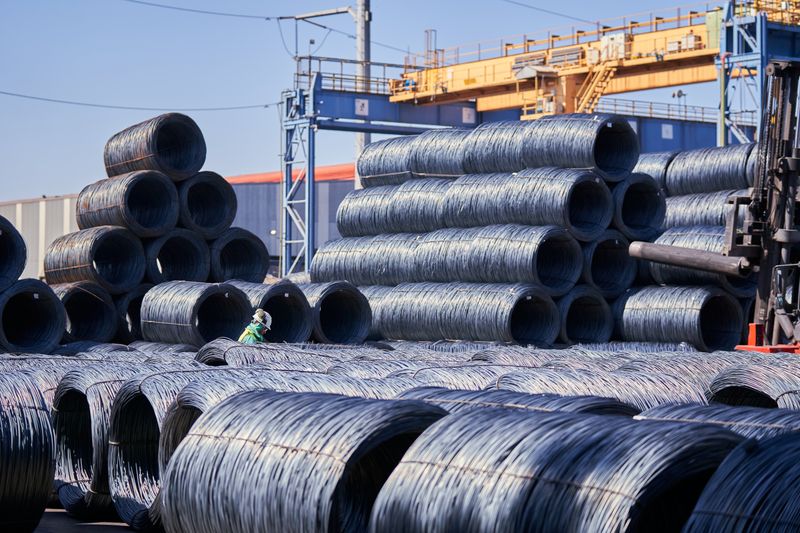
The price quoted in market reports is rarely what a factory pays. Most industrial material moves under contracts that reference it…
Markets & Commodities
Someone has to decide what a barrel or a tonne is worth today. The mechanisms that produce that number vary far more than the…
Markets & Commodities
Commodities sound interchangeable and are not. Grade, purity and specification decide who can use a shipment and what it fetches.
Markets & Commodities
High prices attract investment, investment takes years, and by the time capacity arrives the price that justified it has usually…
Markets & Commodities
When an input gets expensive, engineers find ways to use less of it or to use something else. The change is usually permanent.
Markets & Commodities
A resource only becomes available when something can process it. Processing capacity, not geology, is usually the binding…
Markets & Commodities
Some elements are recovered only as a side effect of producing something else. Their supply answers to a market they are not part…
Markets & Commodities
The same physical cargo can get more expensive for one buyer and cheaper for another on the same day. The difference is entirely…
Markets & Commodities
A market missing a small fraction of its supply can see prices move dramatically. What buffers the gap is the stock that already…
Markets & Commodities
Every traded good carries the energy used to make and move it. That embedded cost travels with the product regardless of where it…
Markets & Commodities
Forward purchasing is not a bet on prices. It is a way of matching an input commitment to a customer commitment already made.