Shipping & Logistics
The Steel Box That Decided Which Goods Could Be Traded
Containerisation is usually described as making shipping cheaper. Its more important effect was making entirely new categories of trade possible at all.

This works through the effects of container standardisation in the order the parts actually depend on each other.
The short version
- Break-bulk handling required large labour inputs and long port stays.
- Standard dimensions allowed ships, cranes, trucks and trains to interlock.
- Falling handling cost made low-value goods economic to ship internationally.
What loading a ship used to involve
Before containers, general cargo arrived at a port as sacks, crates, drums and bales, each handled individually by dock labour. Loading a vessel meant stowing thousands of separate items into a hold in an order that balanced the ship and matched the discharge sequence.
Ships spent a large part of their working lives alongside a quay rather than at sea, which is where a vessel actually earns money. Handling cost was a substantial share of the total cost of moving general cargo, and damage and pilferage were routine. The economics of that system meant only goods with a high value relative to their bulk justified long-distance shipment.
Standardisation is the whole trick
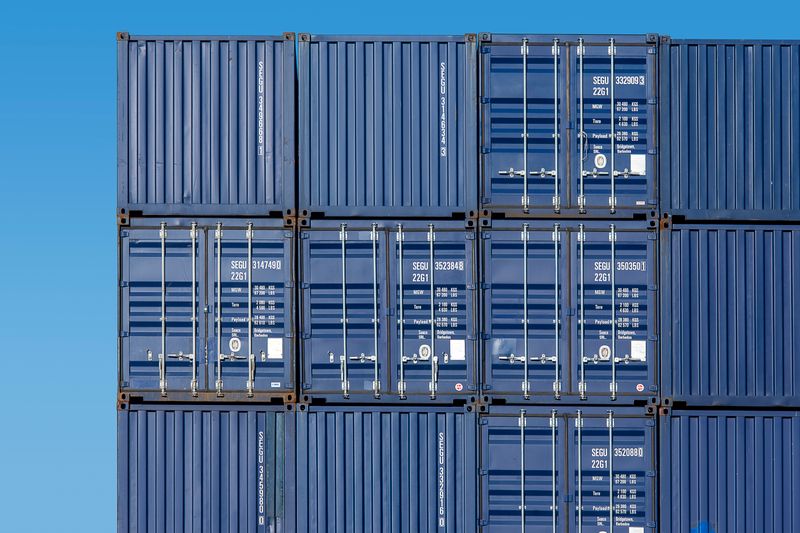
The container's advantage does not come from being a box but from every box being the same size with the same corner fittings. Standard dimensions let a crane designed anywhere lift a container packed anywhere onto a ship built anywhere. Road chassis, rail wagons and terminal equipment could then be designed once against a known interface rather than for each cargo.
At port, agreement on those dimensions took years and involved competing proprietary systems before a common standard settled. The lesson generalises: the value of an interface standard comes from universal adoption rather than from its technical merit.
What happened to handling cost
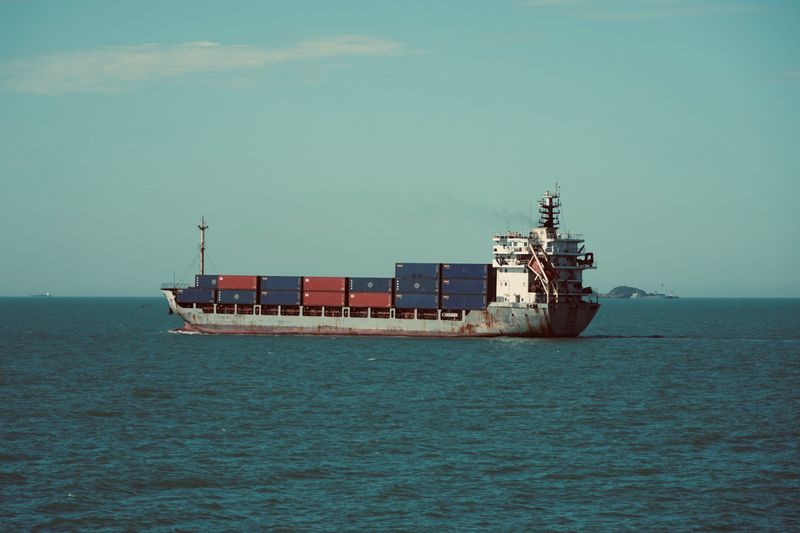
Mechanised handling replaced gangs of dockers with a small number of crane and yard operators moving far larger volumes. Port stays shortened dramatically, which raised the proportion of time a vessel spent generating revenue at sea.
Pilferage fell because cargo was sealed at origin and not opened again until destination, removing many opportunities for loss. Insurance and packaging costs fell for the same reason, since the container itself provided protection previously supplied by crates. The combined effect on the cost of moving general cargo was large enough to change what was worth trading.
The goods that became tradable
Once handling cost collapsed, products with modest value relative to weight and volume could bear international freight. Furniture, household goods, basic appliances and many food products entered long-distance trade in ways that had not been viable.
On the manifest, this is the deeper effect: not that existing trade got cheaper but that the set of tradable goods expanded. Manufacturers could then locate production according to production cost rather than proximity to the customer.
The fragmented, multi-country supply chains of later decades depend on that shift having happened first.
What it required on land
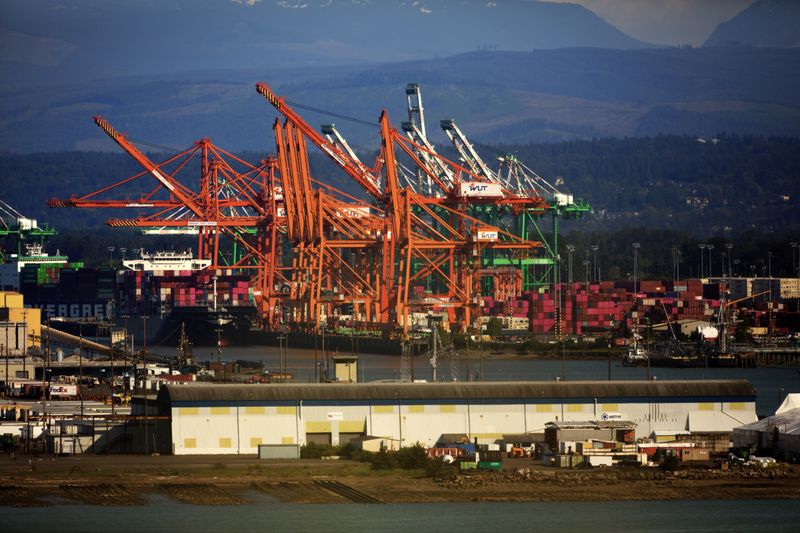
Containers only work if the whole chain accepts them, which meant new port terminals with deep water and large paved yards. Older ports built around finger piers and warehouses were poorly suited and many lost traffic to new deepwater terminals. Road and rail networks had to accommodate container dimensions and weights, requiring bridge clearances and vehicle standards.
Cities whose ports could not adapt saw shipping relocate, sometimes many miles away, with substantial local economic consequences. The transition redrew the map of which places handled cargo, and much of that redrawing was permanent.
Announcement and implementation are separate events, often years apart.
The limits of the box
Not everything containerises: bulk commodities, oversized project cargo, vehicles and liquids still move in purpose-built vessels. Very short routes gain less, because the handling savings are smaller relative to the total journey cost.
Container shipping also concentrates traffic through large hub ports, which creates the congestion patterns of modern logistics. The standard that made everything interoperable also made the system dependent on the equipment fleet being in the right places. That dependence produces the empty repositioning problem that the system has never fully solved.
The takeaway
The container's achievement was an interface, not a box. Everything downstream depended on everyone using the same one.
Supply chains move slowly and then all at once, mostly for unglamorous reasons.
Questions readers ask
Did containers make shipping almost free?
They made it much cheaper for general cargo, particularly the handling component. Freight remains a meaningful cost for low-value bulky goods and a negligible one for dense high-value items.
Why did standardisation take so long?
Early operators used incompatible proprietary sizes, and each had invested in equipment matching its own. Convergence required agreeing a standard that made some existing assets obsolete.
Also by Sunil Bharadwaj
- Percentage or Per Kilo: Why the Shape of a Duty MattersTariffs & Policy
- The Barriers That Are Not Tariffs and Often Bite HarderTariffs & Policy
- Tariff-Rate Quotas: Two Prices for the Same ProductTariffs & Policy
- The Bullwhip: How a Small Demand Wobble Becomes a Factory ShutdownSupply Chains