Shipping & Logistics
Break Bulk and the Cargo That Will Not Fit in a Box
Goods too large, heavy or awkward for containers move as break bulk or project cargo, using different ships, different handling and a planning process closer to engineering than to shipping.
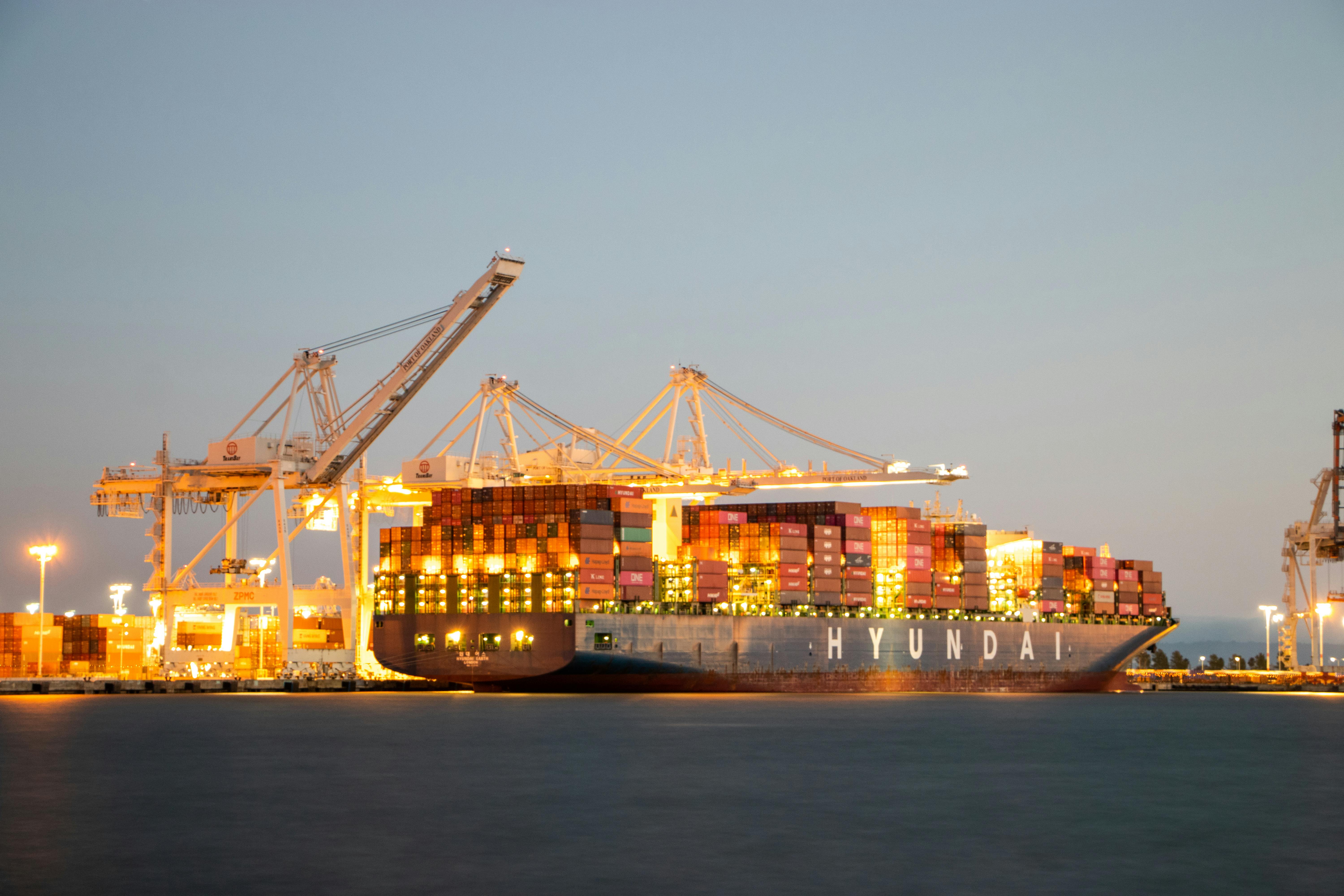
Containers carry most manufactured goods, but a significant share of world trade moves in forms that no box will accommodate. That cargo uses different vessels, different equipment and a different commercial process.
What still moves outside containers
Steel plate and coil, timber, machinery, transformers, turbine components, vehicles and industrial plant sections all exceed container dimensions or weight limits.
Some cargo could physically fit but is not worth the handling, such as very heavy items where the container's own weight limit would be reached with the box half empty.
Other goods travel loose because their shape makes stuffing and securing inside a box more expensive than handling them directly.
Handling determines the port
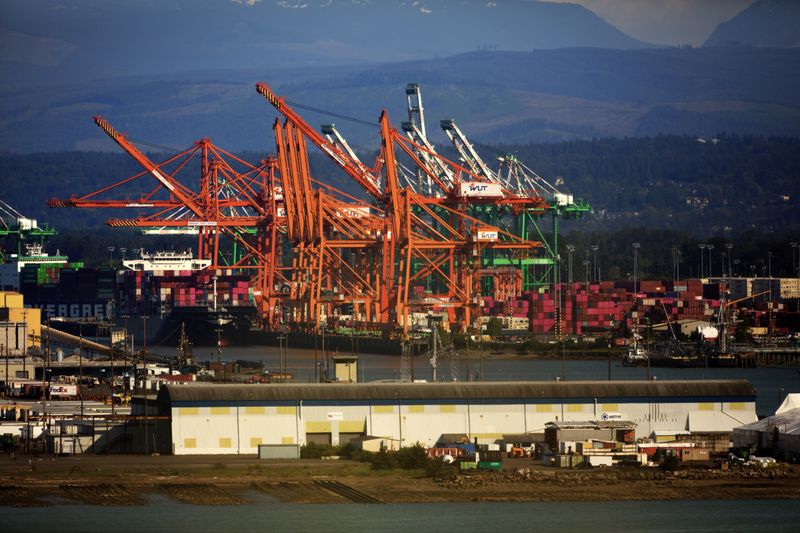
Container terminals are built around a single repeated operation, which is what makes them fast. Break bulk requires cranes, slings, spreaders and lashing chosen for each item.
Not every port has the lifting capacity, quay strength or laydown space for heavy items, so routing is constrained by what the origin and destination ports can physically do.
Loading takes far longer than a container call, and vessels can spend days alongside rather than hours, which changes the economics of the voyage.
Stowage is engineered individually
Each item's weight and centre of gravity affects the vessel's stability, so stowage plans are calculated rather than assembled from standard slots.
Securing arrangements are designed for the specific piece and the expected sea conditions, and are often reviewed by a surveyor before departure.
Errors here are consequential, since cargo that shifts at sea endangers the vessel rather than merely damaging the goods.
Project cargo is a distinct business
Moving an entire industrial facility in sections involves route surveys, temporary road strengthening, specialised transport equipment and coordination with the construction schedule at the destination.
The logistics provider is effectively delivering an engineering service, and the transport plan is developed alongside the project design rather than after it.
Delivery sequence matters as much as delivery date, because components must arrive in the order the construction site can install them.
Pricing works differently
Container freight is quoted per box on a published route. Break bulk is quoted per shipment after assessing weight, dimensions, handling requirements and port capability.
Rates depend heavily on whether a suitable vessel is already going in the right direction with space available, which makes timing a larger factor than distance.
Charter arrangements for dedicated vessels are common on large movements, which brings a different set of contractual terms and risk allocations than liner shipping.
Questions readers ask
When is air freight justified?
When freight is a small share of product value, when the selling window is short, or when the alternative is a stockout with a larger cost. It is a planning tool as much as an emergency one.
Does rail always beat sea on time?
On continental corridors it is generally faster than an equivalent sea routing. Reliability varies by corridor and season, so the variance should be checked alongside the average.
Also by Rukmini Pathak
- Minimum Efficient Scale, and Why Some Plants Have to Be EnormousManufacturing
- Why Freight Is Priced by Route Rather Than by DistanceShipping & Logistics
- Incoterms: Three Letters That Decide Who Owns the ProblemShipping & Logistics
- Bigger Ships Need Bigger EverythingShipping & Logistics