Shipping & Logistics
Flags of Convenience and Which Rules a Ship Follows
A vessel is governed primarily by the law of the state it is registered in, which is why owners choose registries deliberately and why port state inspection exists as a check.
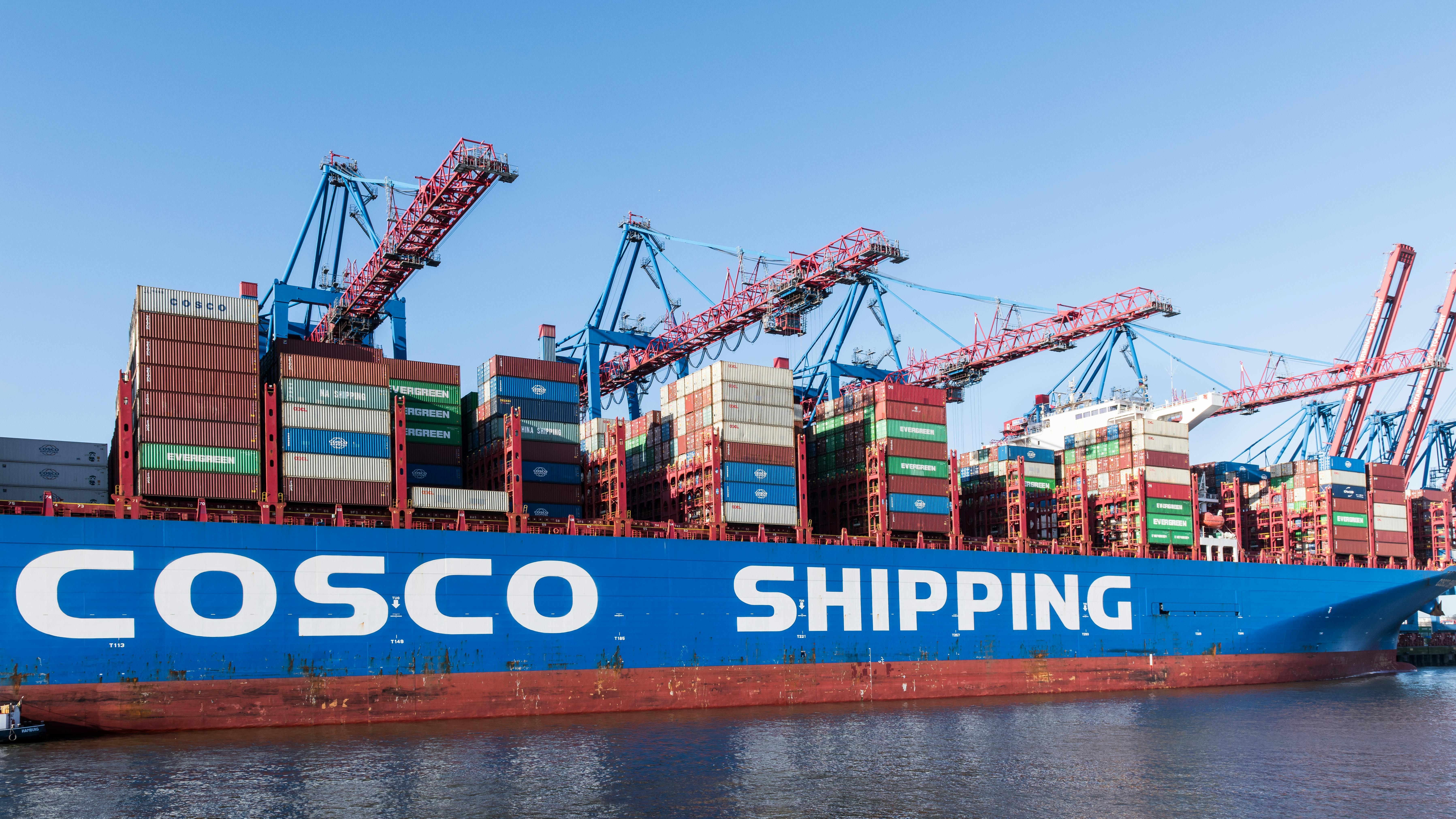
Every merchant vessel is registered somewhere, and that registration determines which country's law governs it at sea. Because owners choose the registry, the choice has become a commercial decision.
The flag defines the legal framework
A ship on the high seas is subject to the jurisdiction of its flag state, which sets requirements for safety, crewing, working conditions, taxation and inspection.
The flag state is responsible for ensuring the vessel meets international conventions it has adopted, and for surveying and certifying that compliance.
Because this responsibility rests with the registry, the standard actually applied depends on how rigorously that particular administration exercises it.
Open registries separate flag from ownership
Traditional registries required a genuine connection between the vessel and the state, such as national ownership or crew.
Open registries accept vessels regardless of the owner's nationality, which allows a ship owned in one country, managed in a second and crewed from several others to fly a third country's flag.
The commercial attraction is a combination of tax treatment, crewing flexibility and administrative cost, and a large share of world tonnage is registered this way.
Port state control provides the check
Since flag enforcement varies, countries inspect foreign vessels calling at their ports to verify compliance with international standards.
Inspectors can detain a ship until deficiencies are corrected, which is a substantial commercial penalty given the cost of an idle vessel.
Regional agreements coordinate these inspections and publish performance data by flag, which creates reputational pressure on registries with poor records.
Crewing follows the flag
Employment terms aboard are governed largely by the flag state's law and the applicable international labour conventions, rather than by the law of the crew's home country.
This makes seafarer employment genuinely international, with crews commonly drawn from several countries on one vessel.
It also means that enforcing labour standards depends on the flag state and on port inspections, since no single national authority oversees the whole arrangement.
Why the choice matters commercially
Registry affects insurance terms, charterers' willingness to hire the vessel, and the likelihood of detention, all of which have direct financial consequences.
Some cargo owners specify acceptable flags in their contracts, which limits the practical appeal of registries with weak inspection records.
Registry rules, conventions and inspection regimes are revised over time, so the relative position of individual flags changes rather than being fixed.
Questions readers ask
When is air freight justified?
When freight is a small share of product value, when the selling window is short, or when the alternative is a stockout with a larger cost. It is a planning tool as much as an emergency one.
Does rail always beat sea on time?
On continental corridors it is generally faster than an equivalent sea routing. Reliability varies by corridor and season, so the variance should be checked alongside the average.
Also by Rukmini Pathak
- Minimum Efficient Scale, and Why Some Plants Have to Be EnormousManufacturing
- Why Freight Is Priced by Route Rather Than by DistanceShipping & Logistics
- Incoterms: Three Letters That Decide Who Owns the ProblemShipping & Logistics
- Bigger Ships Need Bigger EverythingShipping & Logistics