
Supply Chains
Consignment Stock and Who Owns What Sits in the Factory
Consignment inventory sits on a customer's floor while the supplier still owns it, which moves financing cost and shortage risk without moving the physical goods at all.
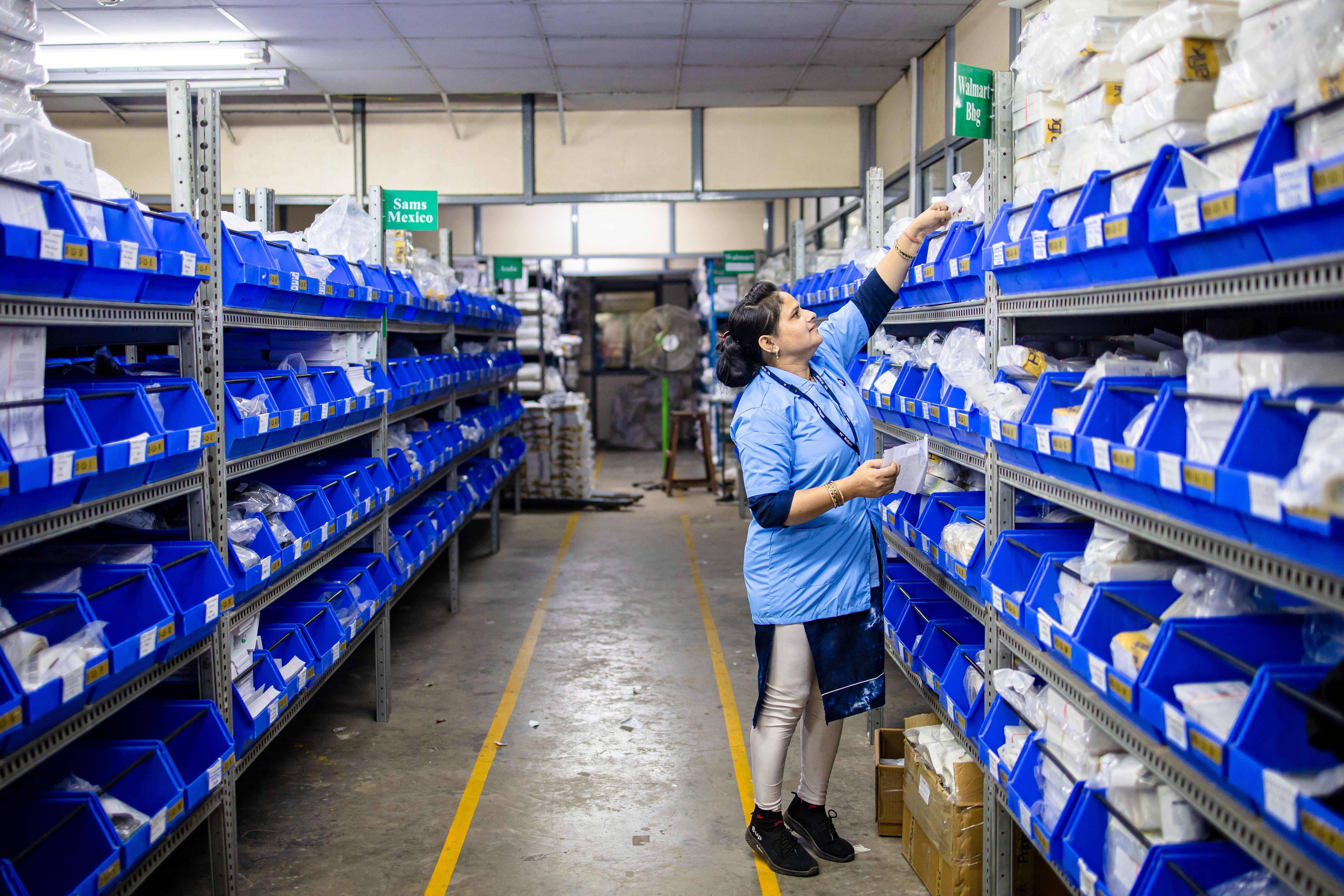
Under a consignment arrangement, material sits inside the customer's plant but remains the supplier's property until it is used. The goods do not move; the ownership and the cost of holding them do.
What changes and what does not
Physically, consignment looks like ordinary stock on a shelf near the line. The same boxes, the same racking, often the same warehouse staff handling them.
Legally, title stays with the supplier until a defined trigger, usually the moment the part is drawn for production. Only then does a sale occur and an invoice become payable.
Everything that follows comes from that split between where the goods are and who owns them.
Why the customer wants it
Inventory is capital. Money spent on parts that are sitting still is money unavailable for anything else, and the cost of that capital falls on whoever owns the stock.
Consignment moves that cost to the supplier while leaving the customer with parts within arm's reach. Availability improves without the balance sheet absorbing the inventory.
It also shortens the reaction time to a demand spike. Material already inside the building can be consumed immediately rather than ordered and awaited.
Why a supplier agrees
A supplier funding stock in someone else's building is accepting a real cost, so there is usually something in return. Most often it is the position itself.
Consignment stock makes a supplier physically embedded. A competitor bidding for the business has to displace material that is already on the shelf and already qualified.
Contracts often add protection: minimum consumption commitments, a maximum age after which unused stock is invoiced, and rules about who pays if the customer changes design.
The obsolescence question
The awkward case is stock that is never drawn. A model is discontinued, a specification changes, or forecast volumes simply do not arrive.
Somebody has to absorb parts that will never be used, and the consignment agreement either says who or leaves an expensive argument to have later.
Well-drafted terms handle this directly, tying obsolescence liability to whoever caused the change and setting a window after which unconsumed material converts to a firm purchase.
Counting and control
Because ownership transfers on consumption, the consumption record becomes the commercial document. Miscounting is not a housekeeping error but an invoicing error.
That requires disciplined scanning at the point of draw, periodic joint counts, and agreement on how scrap and damaged parts are treated.
Where those controls are weak, consignment tends to generate reconciliation disputes that consume more management attention than the financing benefit was worth.
Questions readers ask
Is just-in-time discredited?
No, but its preconditions are better understood. It performs well with short reliable lead times and less well where supply variability is high, which is a statement about context rather than a verdict.
How much buffer is the right amount?
It depends on demand variability, supply variability and the service level chosen. There is no universal figure, and applying one target across a whole catalogue usually wastes money and misses sales at once.


