Manufacturing
Why Moving a Factory Takes Years Rather Than Months
The building goes up quickly. Everything that makes the building produce sellable output takes far longer, and most of it cannot be bought.

The points below about the timeline of relocating production are ordered by how much difference they make, not by how often they get repeated.
What matters most
- Construction is usually the shortest step in a relocation programme.
- Supplier qualification and workforce training run in parallel and take longer.
- Yield at a new site typically starts below the old site and climbs slowly.
What a relocation actually involves
Announcements describe a new plant as though the decision and the building were the whole undertaking. The building is generally the fastest and most predictable element, because construction is a well-understood activity with known timelines.
Behind it sit equipment lead times, utility connections, supplier qualification, workforce recruitment, training and customer approval of the new site. Several of those run sequentially rather than in parallel, since a supplier cannot be qualified before the process it must feed is running. The cumulative timeline is measured in years for anything more complex than simple assembly.
Equipment is not available on demand
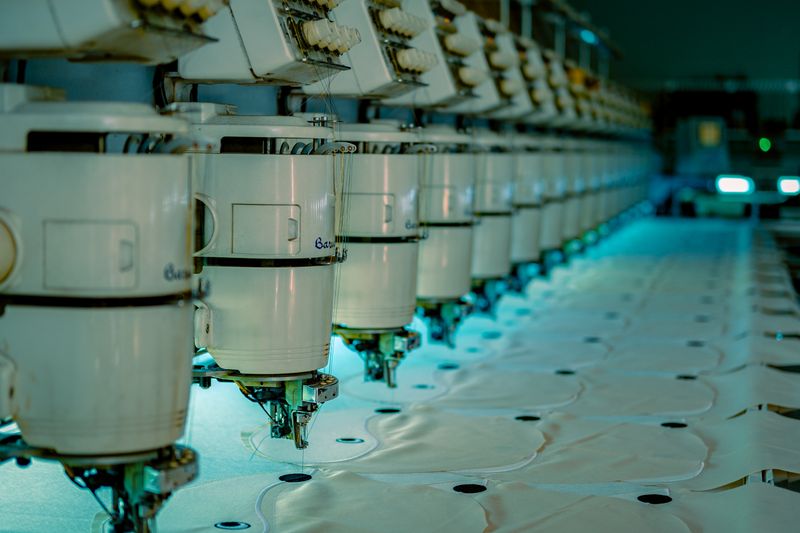
Specialised production equipment is built to order, and the lead times for it are set by the equipment maker's own backlog. When many firms decide to expand at once, those lead times extend precisely when everyone wants delivery soonest. Installation, commissioning and process qualification then follow, each with its own duration that cannot be compressed much.
Once the order book turns, buying used equipment shortens procurement but transfers an unknown maintenance history into a new operation. Firms planning relocations from a spreadsheet routinely underestimate this step because it is invisible in a cost comparison.
The workforce problem
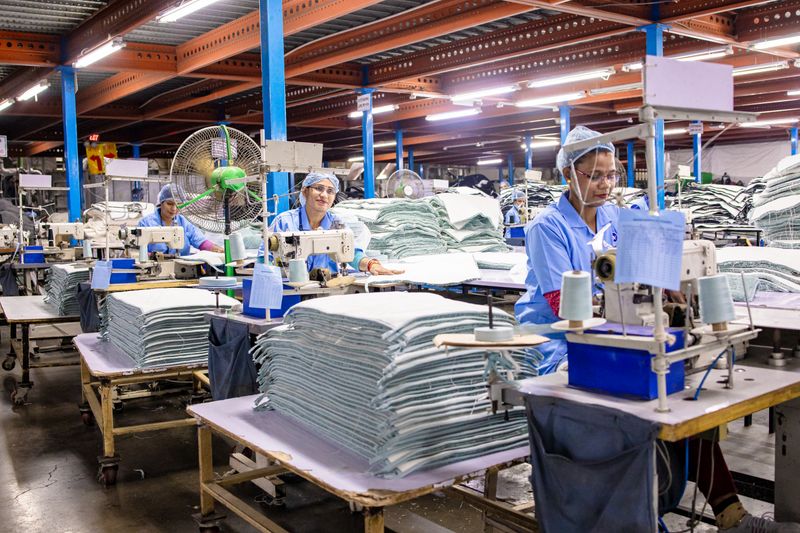
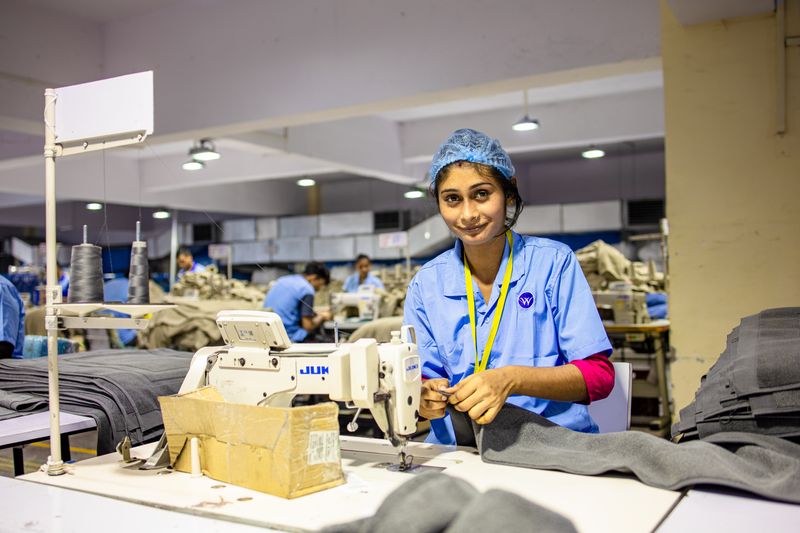
A trained operator is not simply someone who has attended a course, but someone who has run the process through its failure modes. That experience accumulates over months and cannot be transferred by documentation, however carefully the procedures are written. Supervisory and maintenance skills take longer still, and they are what keep a line running when something behaves unexpectedly.
At port, sites that recruit heavily from an existing cluster shorten this; sites in areas without the relevant industry do not have that option. Sending experienced staff to seed the new site is the standard approach and is limited by how many the old site can spare.
Suppliers have to move too
A factory depends on local suppliers of tooling, maintenance, calibration, packaging and dozens of small services nobody lists in a plan. In a mature location those exist already and are taken for granted; in a new one each must be found, qualified or created. Where local suppliers do not exist, the new plant must either import inputs or bring capability in-house, both of which raise cost.
Anchor plants sometimes bring their suppliers with them, which works when the supplier can also serve other local customers eventually. The ecosystem is the slowest part of any relocation and the part most often omitted from the business case.
Yield climbs rather than starts
New lines rarely reach the yield of an established line immediately, because process parameters need tuning against local materials and conditions. The gap costs money twice, through scrap and through the additional capacity required to deliver the same saleable volume. Learning curves are well documented across industries, and they describe a decline in unit cost with cumulative output rather than with time.
That means a plant improves by producing, so ramp schedules that assume immediate parity are structurally optimistic. Planning for a ramp period with dual running at the old site is expensive and usually cheaper than the alternative.
Customer approval is a gate
In many industries a customer must approve the specific site producing its parts, not merely the supplier company. Approval involves audits, sample production, validation batches and documentation, and it consumes the customer's engineering time as well. Regulated products add formal notification or approval steps whose duration is set by an authority rather than by the parties.
Line by line in the tariff schedule, until approval completes, the old site must continue producing, which means paying for two facilities simultaneously. This is why relocations often proceed model by model over several product generations rather than as a single move.
Everything above, in order of what to do first
- What a relocation actually involves. Announcements describe a new plant as though the decision and the building were the whole undertaking.
- Equipment is not available on demand. Specialised production equipment is built to order, and the lead times for it are set by the equipment maker's own backlog.
- The workforce problem. A trained operator is not simply someone who has attended a course, but someone who has run the process through its failure modes.
- Suppliers have to move too. A factory depends on local suppliers of tooling, maintenance, calibration, packaging and dozens of small services nobody lists in a plan.
- Yield climbs rather than starts. New lines rarely reach the yield of an established line immediately, because process parameters need tuning against local materials and conditions.
- Customer approval is a gate. In many industries a customer must approve the specific site producing its parts, not merely the supplier company.
The takeaway
Count the steps that cannot be bought, and the timeline stops looking pessimistic.
Somebody pays the tariff. The argument is only ever about who.
Questions readers ask
Can a relocation be done faster with enough money?
Money shortens some steps, particularly equipment procurement and dual running, and barely touches others such as workforce experience and regulatory approval. The critical path is usually not financial.
Why do firms relocate at all given the cost?
Because the comparison is against decades of future production, not against the transition period. The transition is expensive and finite; a structural cost or access advantage is not.
Also by Abhijit Kar
- Lean or Buffered: How Firms Decide How Much Stock to HoldSupply Chains
- Three Kinds of Chokepoint, and Why Only One Is GeographicSupply Chains
- The Learning Curve: Why the Thousandth Unit Costs Less Than the TenthManufacturing
- Labour Cost Is a Smaller Share of the Bill Than the Argument AssumesManufacturing