Manufacturing
What Automation Changes About Where Things Get Made
Replacing labour with machinery does not simply move production to wherever machines are cheapest. It changes which factors matter.
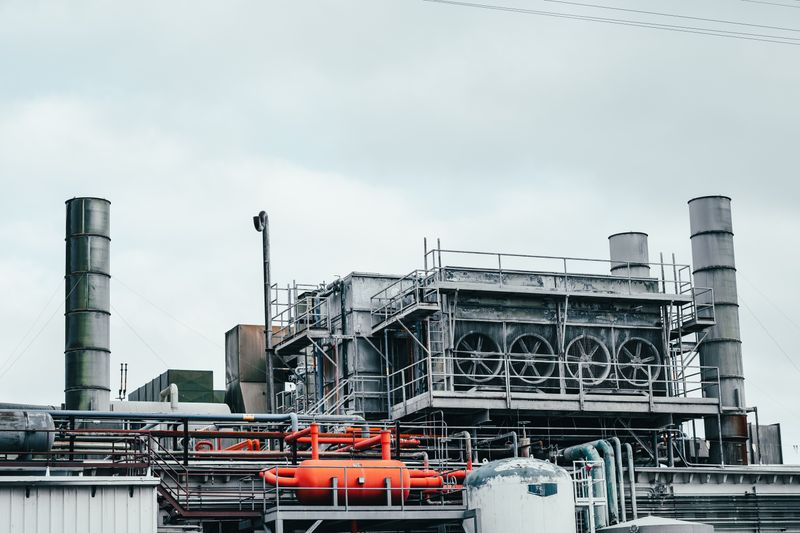
The options around automation and production location are set out side by side below, with the conditions that genuinely favour one over the other.
The difference in one place
- Automation lowers labour's share and raises the weight of capital, energy and maintenance.
- Equipment is internationally available, so it confers no location advantage by itself.
- Technical maintenance capability becomes a binding constraint.
The expected consequence and the actual one
If automation removes labour cost from the equation, the obvious inference is that production returns to wherever the customers happen to be. That inference assumes labour was the only reason production moved in the first place, which the evidence does not support. Supplier ecosystems, scale, logistics infrastructure and accumulated process knowledge all persist regardless of how automated a plant becomes.
A highly automated plant still needs components, spare parts, maintenance contractors, technicians and the same web of local services. Automation therefore changes the weighting of the location factors rather than deciding the question of where to build outright.
What automation actually substitutes for
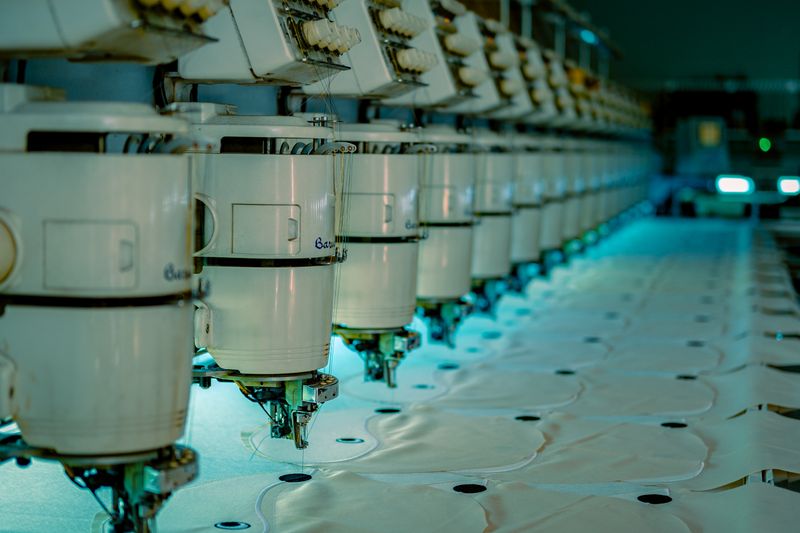
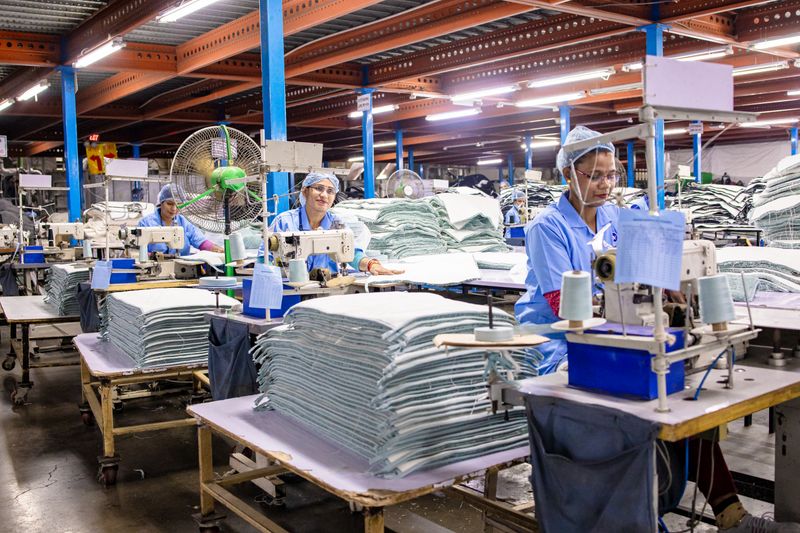
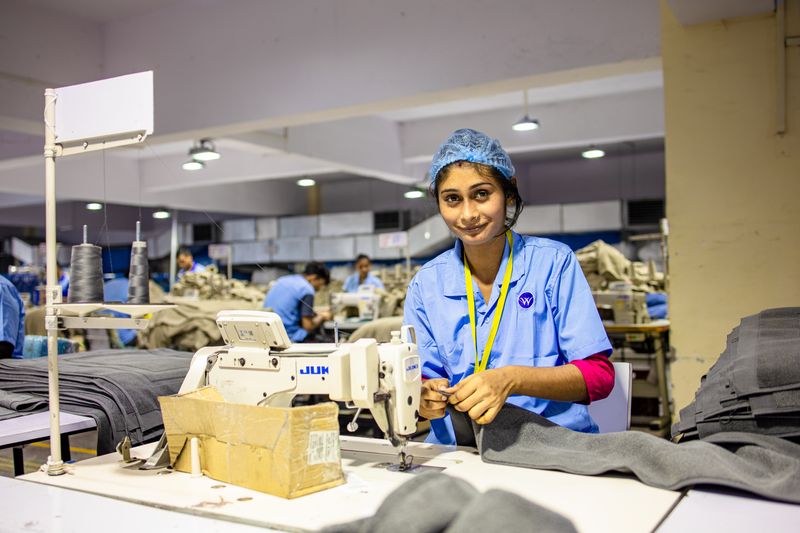
Automation is most effective for repetitive, well-specified tasks performed on consistent inputs with a stable product design behind them. It performs poorly where inputs vary unpredictably, where handling is delicate, or where changeovers between products are frequent. This is why sewn goods have resisted automation far longer than metal forming or the placement of electronic components.
Upstream of that, product design that anticipates automated assembly matters at least as much as the equipment eventually purchased to do it. Firms that automate a process originally designed around human hands and judgement generally get disappointing results for the money.
The costs that rise
Capital-intensive production is sensitive to the cost of finance, because the equipment must be paid for regardless of how well it is utilised. Electricity price and reliability matter more than before, since automated lines cannot simply pause and resume without cost or consequence. Maintenance becomes critical, and skilled technicians able to diagnose and repair complex equipment are considerably scarcer than operators.
Spare parts availability enters the calculation, since a line stopped waiting for a component earns nothing while continuing to depreciate. These factors favour locations with stable infrastructure and a technical labour market rather than locations with the lowest wages.
Volume and flexibility
Automation rewards high volumes of similar output, because programming, fixturing and changeover costs are spread across the run. Where product variety is high and volumes per variant are low, flexible manual or semi-automated approaches often remain cheaper. Flexible automation has narrowed that gap in some applications without closing it across the board.
On the manifest, the choice is therefore product-specific and volume-specific rather than a general question about technology.
Firms comparing themselves to a heavily automated competitor should first check whether their volume profile is comparable.
Effects on employment composition
Automation typically reduces the number of production operators while increasing demand for technicians, programmers and engineers. Total employment at a plant may fall while the skill profile and average wage rise substantially. That change is why manufacturing output and manufacturing employment can move in different directions over long periods.
It also means that attracting an automated plant delivers different local benefits than attracting a labour-intensive one. Policy discussions that treat all manufacturing jobs as equivalent miss this distinction entirely.
Company disclosures describe a supply chain one tier deep, and the fragile part is usually three tiers down.
What it does not change
Automation does not create a supplier base, shorten certification timelines or build the technical labour market a plant needs. It does not remove the advantages of being near customers for time-sensitive goods or near suppliers for iterative development.
Equipment vendors sell to everyone, so purchasing the same machines a competitor uses does not by itself confer any advantage. The advantage lies in the process knowledge required to run the equipment well, which is accumulated rather than purchased. That is the same knowledge that makes learning curves and clusters matter, in a new form.
Side by side
| Consideration | What it means in practice |
|---|---|
| The expected consequence and the actual one | Automation lowers labour's share and raises the weight of capital, energy and maintenance. |
| What automation actually substitutes for | Equipment is internationally available, so it confers no location advantage by itself. |
| The costs that rise | Technical maintenance capability becomes a binding constraint. |
The takeaway
Automation reorders the location factors rather than removing them. Ask which factor now binds.
Capacity takes a decade to build and one quarter to look like a mistake.
Questions readers ask
Will automation bring production back to high-wage countries?
It has in specific cases where labour was the main disadvantage and other factors were favourable. It is not a general mechanism, because supplier depth and scale remain where they are.
Is automated production always cheaper?
Only above a volume threshold and with stable product design. Below that, the fixed costs of programming, tooling and integration outweigh the labour saved.