
Supply Chains
Why Returned Goods Need a Supply Chain of Their Own
Returns flow backwards through a network built to push goods forward, arriving one at a time in unknown condition, which is why reverse logistics is disproportionately expensive.
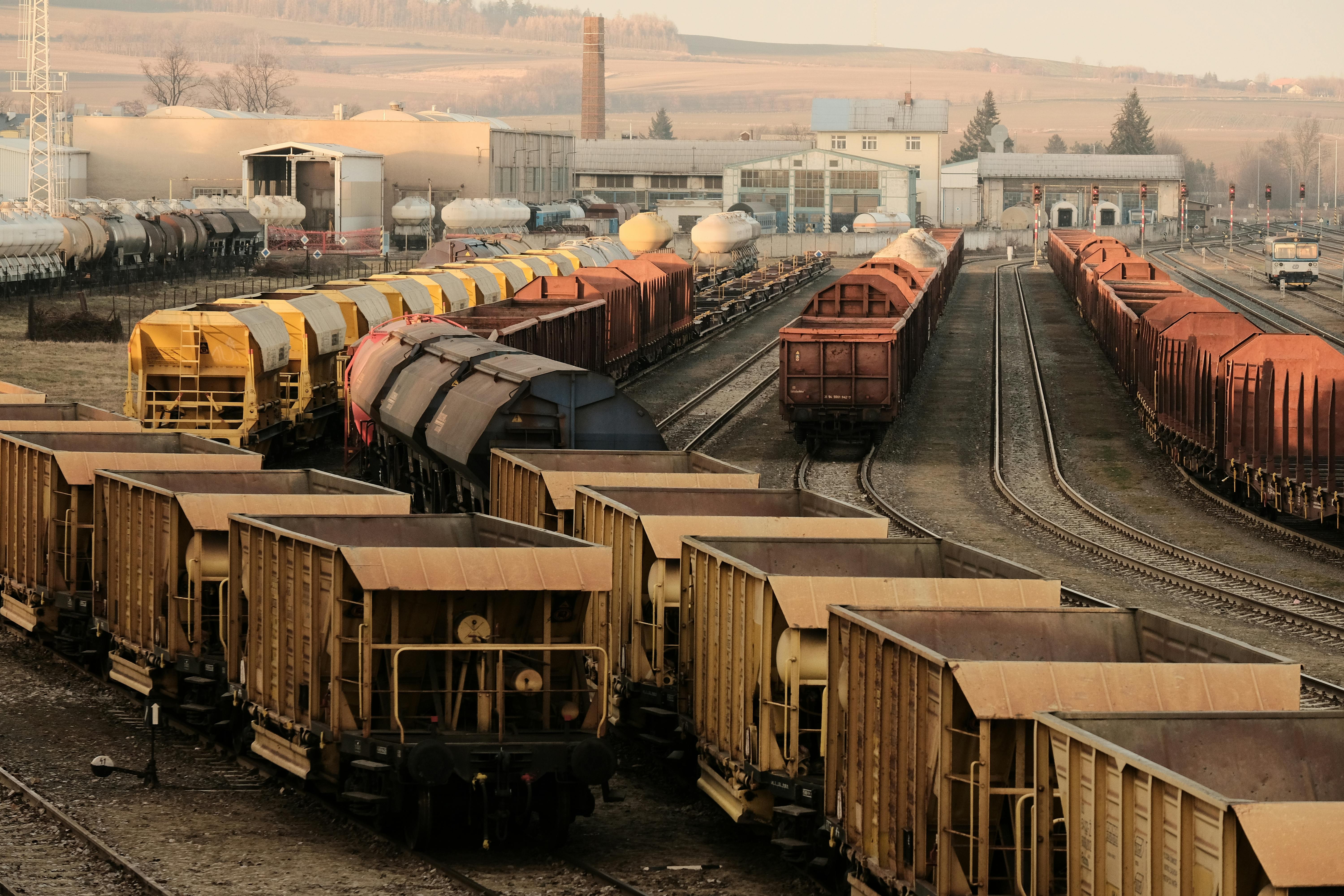
A distribution network is engineered to move goods outward in predictable, consolidated flows. Returns run the same network backwards, and almost every design assumption stops holding.
The forward network assumes volume and uniformity
Outbound logistics moves pallets of identical items on planned routes. Costs fall because the volume is large, the timing is known, and the contents are the same.
Returns arrive as single units, at unpredictable times, from thousands of scattered origins. Every economy the forward network relies on is absent.
The result is that handling one returned item can cost a meaningful fraction of what it cost to make and deliver it.
Condition is unknown until inspection
An outbound unit's state is known: new, sealed, conforming. An inbound unit could be unopened, lightly used, damaged, missing parts or a different product entirely.
That uncertainty forces an inspection step with no forward equivalent. Someone has to open, test and grade each item before its destination can be decided.
Inspection is labour-intensive and hard to automate, because the range of possible conditions is wide and the judgements are not always binary.
Disposition is a decision tree, not a destination
Once graded, an item can be restocked, repackaged, repaired, sold through a secondary channel, broken for parts, recycled or discarded. Each path has different value and cost.
The right choice depends on the item's remaining value, the cost of the work needed, and whether a channel exists to sell the result.
Getting this wrong in either direction is expensive: scrapping recoverable goods destroys value, while refurbishing low-value items spends more than the outcome is worth.
Time destroys value quickly
Returned goods lose value while they wait. Seasonal items miss their season, electronics fall behind current models, and anything perishable simply expires.
A returns process that takes weeks converts recoverable inventory into scrap through delay alone, which is why speed matters more here than in most warehouse work.
This pushes firms towards deciding disposition as early as possible, sometimes at the point of collection rather than after transport to a central site.
Cross-border returns add a customs layer
A returned import is a movement of goods across a border, and customs systems treat it as such. Duty may have been paid on the way in, and reclaiming it requires proof.
Procedures for returned goods exist in most customs regimes, but they demand documentation linking the item to its original entry, which consumer returns rarely carry.
Rules differ by jurisdiction and change over time, which is why many sellers avoid physically repatriating low-value goods and dispose of them in the destination market instead.
Questions readers ask
Is just-in-time discredited?
No, but its preconditions are better understood. It performs well with short reliable lead times and less well where supply variability is high, which is a statement about context rather than a verdict.
How much buffer is the right amount?
It depends on demand variability, supply variability and the service level chosen. There is no universal figure, and applying one target across a whole catalogue usually wastes money and misses sales at once.


