Manufacturing
Assembly Looks Like Where the Value Is, and Usually Is Not
The country where a product is put together gets the label and often a modest share of what the product is worth.
Most explanations of value added at the assembly stage stop at the point where it starts to matter. This one carries on.
The short version
- Final assembly can contribute a small share of a product's total value.
- Gross trade statistics attribute the full value to the last exporting country.
- Value-added accounting distributes it across every contributing economy.
Where the label attaches
Customs records the country from which a finished good was exported, and origin rules usually point to where it was last substantially transformed. For assembled products, that is typically the site where components from many countries were combined into the final article. The full export value is recorded against that country in conventional trade statistics.
If the components arrived as imports, their value was recorded on the way in, but the export figure does not net them out. The statistic is not wrong; it measures gross flows, which is a different question from where value was created.
What assembly actually contributes
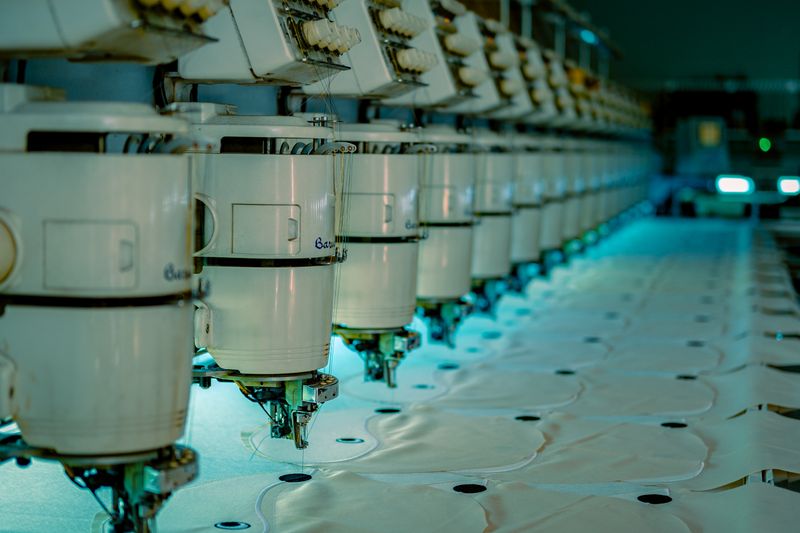
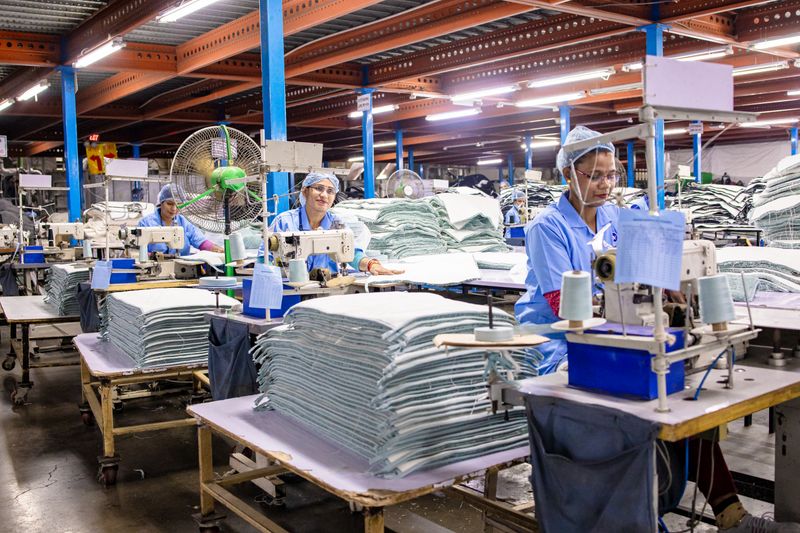
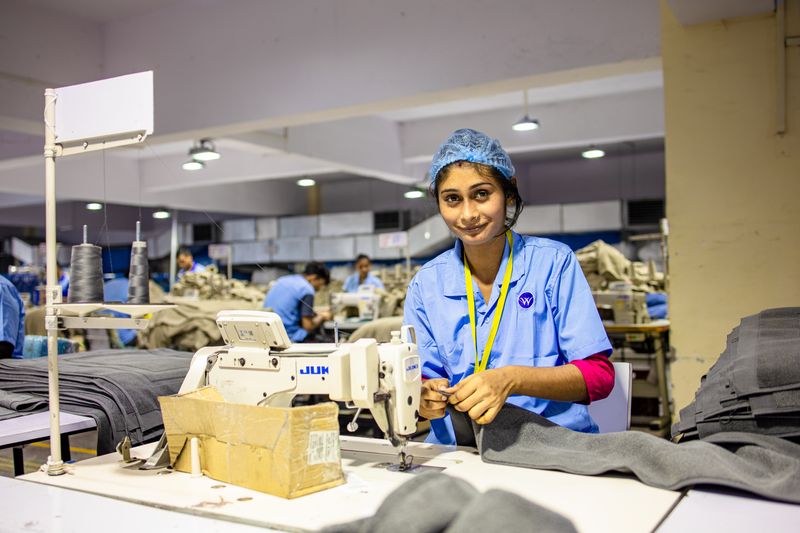
Final assembly of a complex product can involve limited processing relative to the manufacture of the components it joins. The value added at that stage is the labour, overhead, capital and margin applied there, not the value of the finished item. Studies decomposing specific electronic products have consistently found assembly to be a modest share of retail value.
The larger shares typically sit with component makers, intellectual property holders, brand owners and distribution. Where exactly the value sits varies by product, so the general point is about method rather than a fixed distribution.
Why this distorts bilateral figures
A bilateral trade balance computed from gross flows attributes the full value of an assembled export to the assembling country. Components sourced from third countries appear in that figure even though the assembling economy captured only a slice of it.
At port, the result is that bilateral balances between an assembling country and a consuming country look larger than value creation implies. International statistical work on trade in value-added terms exists specifically to address this measurement issue. Both measures are legitimate; using the gross one to make claims about value creation is the error.
Implications for industrial strategy
Attracting final assembly delivers employment and some value added but may not capture the highest-value activities. Component manufacture, materials processing, design and equipment supply frequently carry higher value added per worker.
At port, economies that began with assembly have often moved upstream over time, but the movement required deliberate capability building. That progression is documented across several industrialising economies and took decades rather than years in each case.
Treating assembly as either worthless or as the endpoint both misread what it is: an entry point.
Why assembly moves most easily
Assembly is generally less capital-intensive and less process-specialised than component manufacture, so it relocates more readily. It also depends on the availability of components, which can be imported, rather than on local materials capability.
That mobility is why assembly is the stage most visibly affected by changes in labour cost, tariffs and trade preferences. Component production, tied to specialised equipment and process knowledge, moves far more slowly. Analyses that observe assembly moving and conclude an entire industry has relocated are reading the most mobile layer.
Trade data lags by months and is revised afterwards, so recent figures are provisional.
Reading product origin sensibly
A label naming one country tells you where the last substantial transformation occurred and very little about the rest. The components inside may come from a dozen countries, several of which contributed more value than the labelled one. This is a straightforward consequence of how origin rules work rather than any attempt to mislead.
Consumers wanting to understand a product's footprint need component-level information that labels are not designed to carry. Where such information matters, supply chain disclosure rather than country-of-origin labelling is the relevant tool.
The takeaway
The label records the last step. Value is created along the whole chain, and gross statistics cannot see that.
Somebody pays the tariff. The argument is only ever about who.
Questions readers ask
Does this mean bilateral trade deficits are meaningless?
They measure gross flows accurately. They are a poor proxy for where value was created, which is why value-added measures were developed alongside them.
Is assembly work worth attracting?
It brings employment and can be a route to upstream capability, which several economies have followed. Whether it stays an entry point or becomes an endpoint depends on what is built around it.