Manufacturing
Process Plants and Assembly Plants Behave Differently
Continuous process industries and discrete assembly industries respond to demand changes in opposite ways, which explains why chemicals and consumer goods show such different price and supply patterns.

Manufacturing divides into two broad forms that behave almost oppositely. One transforms materials continuously; the other joins discrete parts into units. The distinction explains much about how each industry's supply behaves.
The physical difference
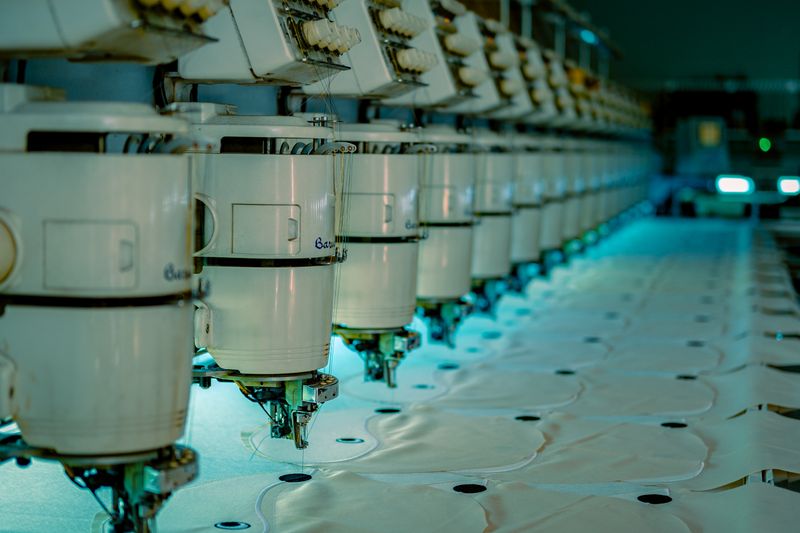
Process manufacturing converts inputs through chemical or physical transformation into a continuous output stream, measured in tonnes or volume rather than in countable pieces.
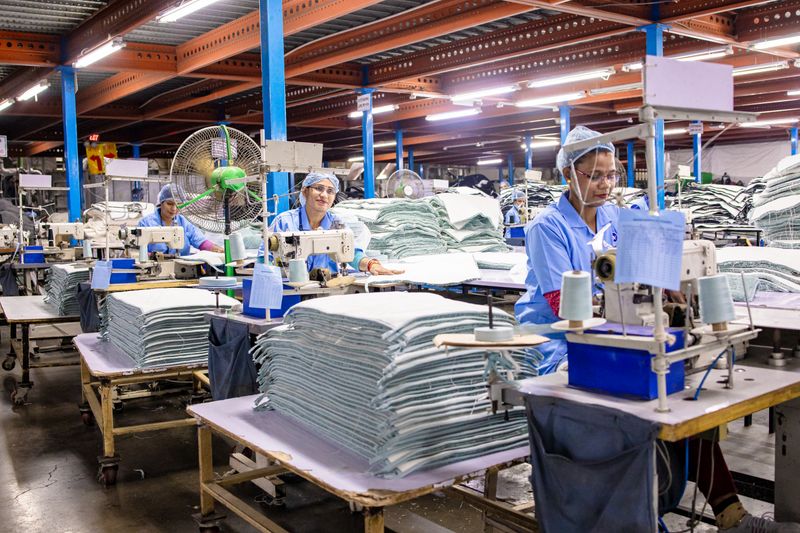
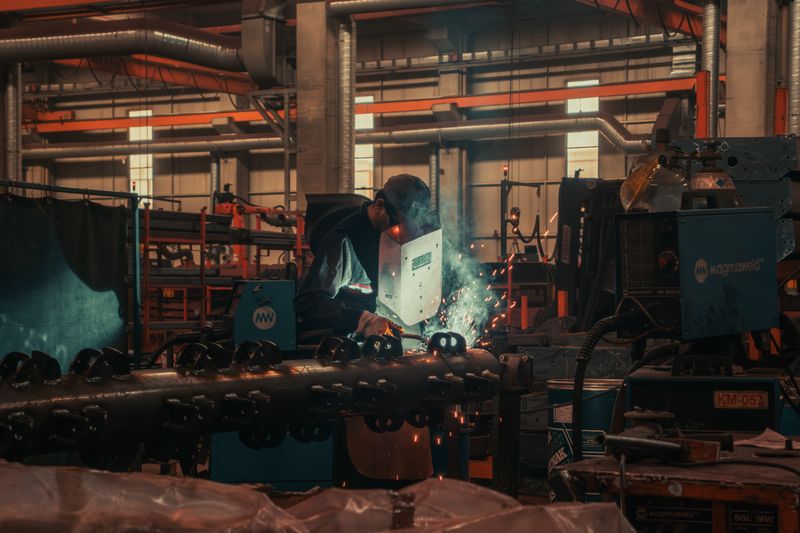
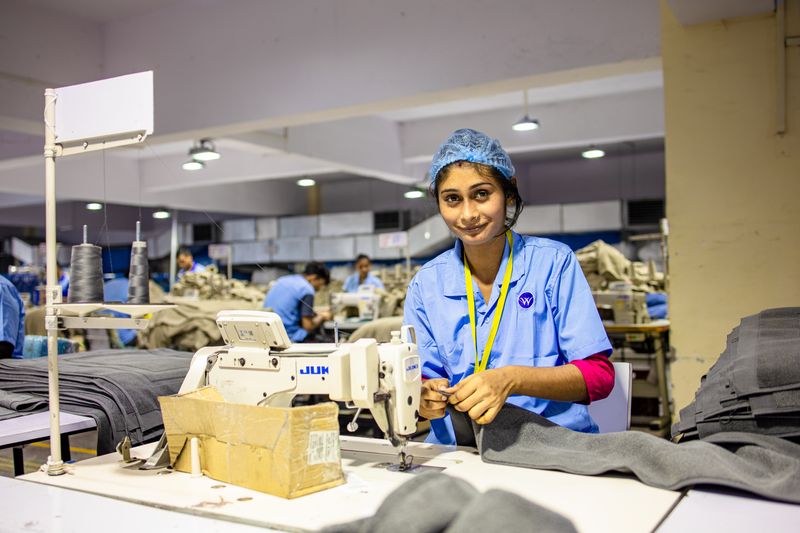
Discrete manufacturing assembles identifiable components into individual units, each of which can be counted, serialised and traced through the plant.
Everything else follows from this: how the plant is designed, how output is scheduled, and what happens when demand changes.
Stopping is expensive in one and routine in the other
A continuous plant is designed to run at a steady rate. Shutting it down and restarting involves purging, reheating and stabilising, which takes days and wastes material.
An assembly line can stop at the end of a shift and restart the next morning with no material loss and little preparation.
The consequence is that process plants run at full rate even into weak demand, while assembly plants reduce shifts and hours to match orders.
Capacity arrives in large indivisible steps
Process capacity is added by building a new unit, and engineering economics push those units towards large sizes because cost rises more slowly than throughput.
A single new plant can therefore add a noticeable share of a region's total capacity the day it starts, with no way to phase it in gradually.
Assembly capacity is added in smaller increments through additional lines, shifts or sites, so supply tracks demand far more closely.
Product identity works differently
Process output is defined by specification rather than by unit, so quality is a distribution measured through sampling rather than a pass or fail on each item.
Traceability is by batch, which is why a quality problem in process industries affects a defined production period rather than identifiable individual units.
In discrete manufacturing, individual units can be traced through serial numbers, allowing a recall to be narrowed to the specific items affected.
Why the price patterns differ
Because process plants keep running and capacity arrives in large steps, their markets swing between tightness and surplus with sharp price movements.
Discrete manufacturers adjust volume instead, so their markets show more stable prices and more variable output and employment.
Firms operating across both forms, such as those making chemicals and finished goods, therefore manage two quite different kinds of cycle inside one business.
Questions readers ask
Does this mean bilateral trade deficits are meaningless?
They measure gross flows accurately. They are a poor proxy for where value was created, which is why value-added measures were developed alongside them.
Is assembly work worth attracting?
It brings employment and can be a route to upstream capability, which several economies have followed. Whether it stays an entry point or becomes an endpoint depends on what is built around it.