Manufacturing
The Toolmakers Behind the Machines That Make Everything
Production equipment is itself manufactured by a small specialist sector, and the lead times and concentration in that upstream industry limit how fast any downstream capacity can expand.
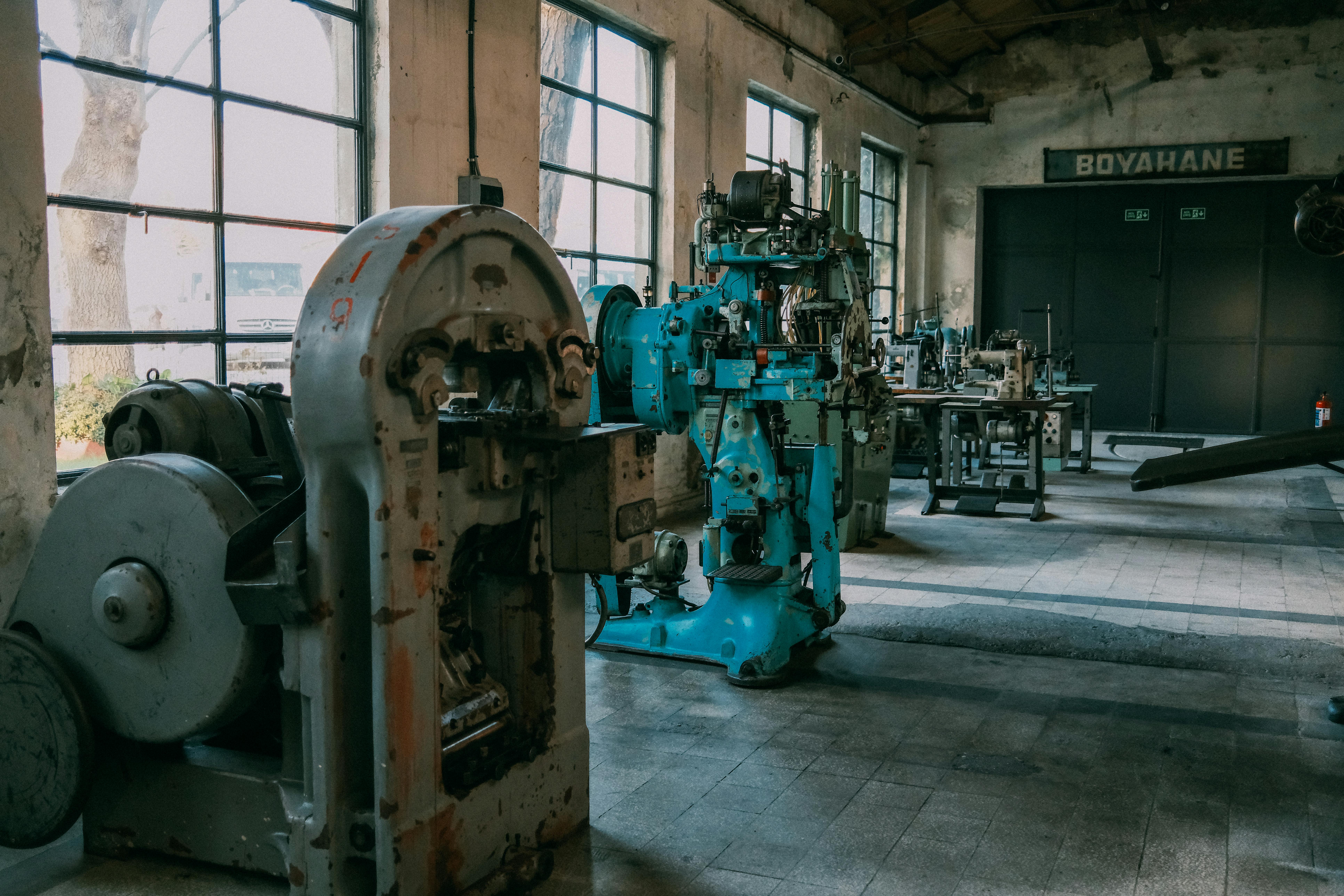
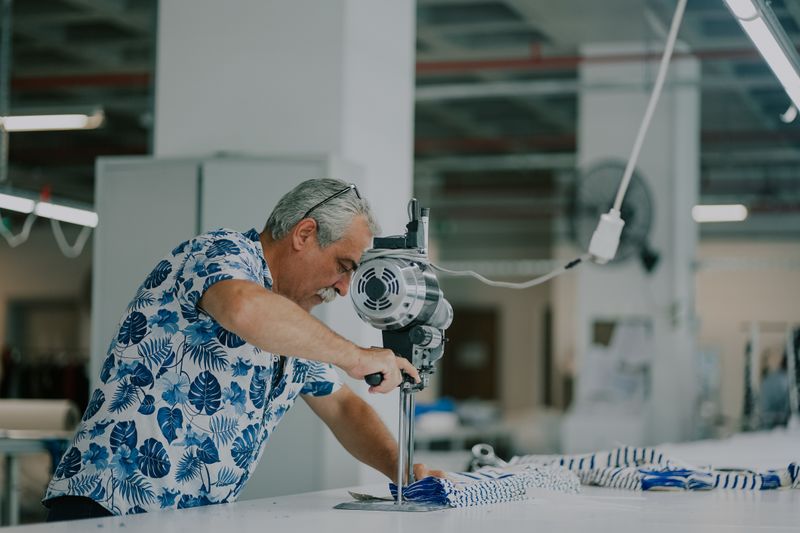
Every factory is filled with machines that someone else built. The industry that makes production equipment is small, specialised and slow to expand, and it sets the pace at which manufacturing capacity anywhere can grow.
Capital equipment is built to order
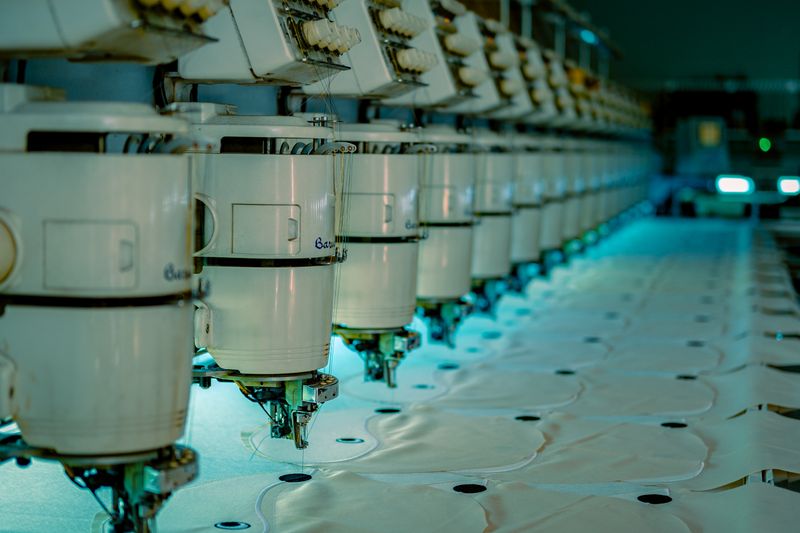
Production machinery is generally not held in stock. Each unit is configured for a customer's process, built after the order, and commissioned on site.
Lead times are therefore measured in quarters or years, and they lengthen when many customers order simultaneously, which is exactly what happens during a demand upturn.
This means the response to a shortage in any manufactured good is delayed by the response time of the equipment industry standing behind it.
The supplier base is narrow
For many specialised processes, only a handful of firms worldwide build the necessary machines, and for some critical steps the number is smaller still.
Concentration arises because the engineering knowledge is deep, the customer base is limited, and development costs must be recovered across few units.
The consequence is that the equipment industry is a chokepoint sitting behind industries that appear to have many suppliers of their own.
Toolmaking is a distinct skill
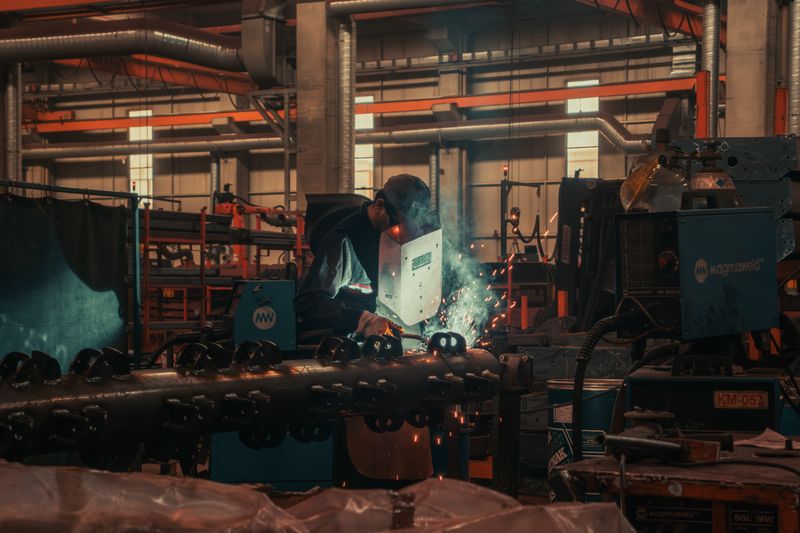
Dies, moulds, jigs and fixtures are made by toolmakers whose work combines machining precision with an understanding of how the production process will behave.
The skill is developed over years and largely through practice, which makes the workforce difficult to expand quickly regardless of investment.
Where a region loses its toolmaking base, rebuilding it takes far longer than rebuilding assembly capacity, because the knowledge is not written down in transferable form.
Installation and qualification take longer than delivery
A machine arriving on site is not yet productive. It must be installed, connected to utilities, calibrated, and then qualified against the product it will make.
Qualification generates trial output that is measured and adjusted until results are consistent, and that process can take months on complex equipment.
Capacity planning that counts delivery dates rather than qualification dates consistently overstates how soon new output will be available.
Service dependence continues afterwards
Complex machines require the supplier's engineers for major maintenance, upgrades and fault diagnosis, so the relationship continues for the equipment's operating life.
That dependence means access to spare parts and technical support is as important as the original purchase, particularly where a plant runs continuously.
Because equipment can also fall within export control frameworks that change over time, availability of both machines and support can shift for reasons unrelated to the supplier's capacity.
Questions readers ask
Does this mean bilateral trade deficits are meaningless?
They measure gross flows accurately. They are a poor proxy for where value was created, which is why value-added measures were developed alongside them.
Is assembly work worth attracting?
It brings employment and can be a route to upstream capability, which several economies have followed. Whether it stays an entry point or becomes an endpoint depends on what is built around it.