Manufacturing
Why Test Equipment Becomes the Bottleneck
Testing often takes longer than making, and test machines are specialised and expensive, so the capacity to verify a product frequently constrains output more than production does.
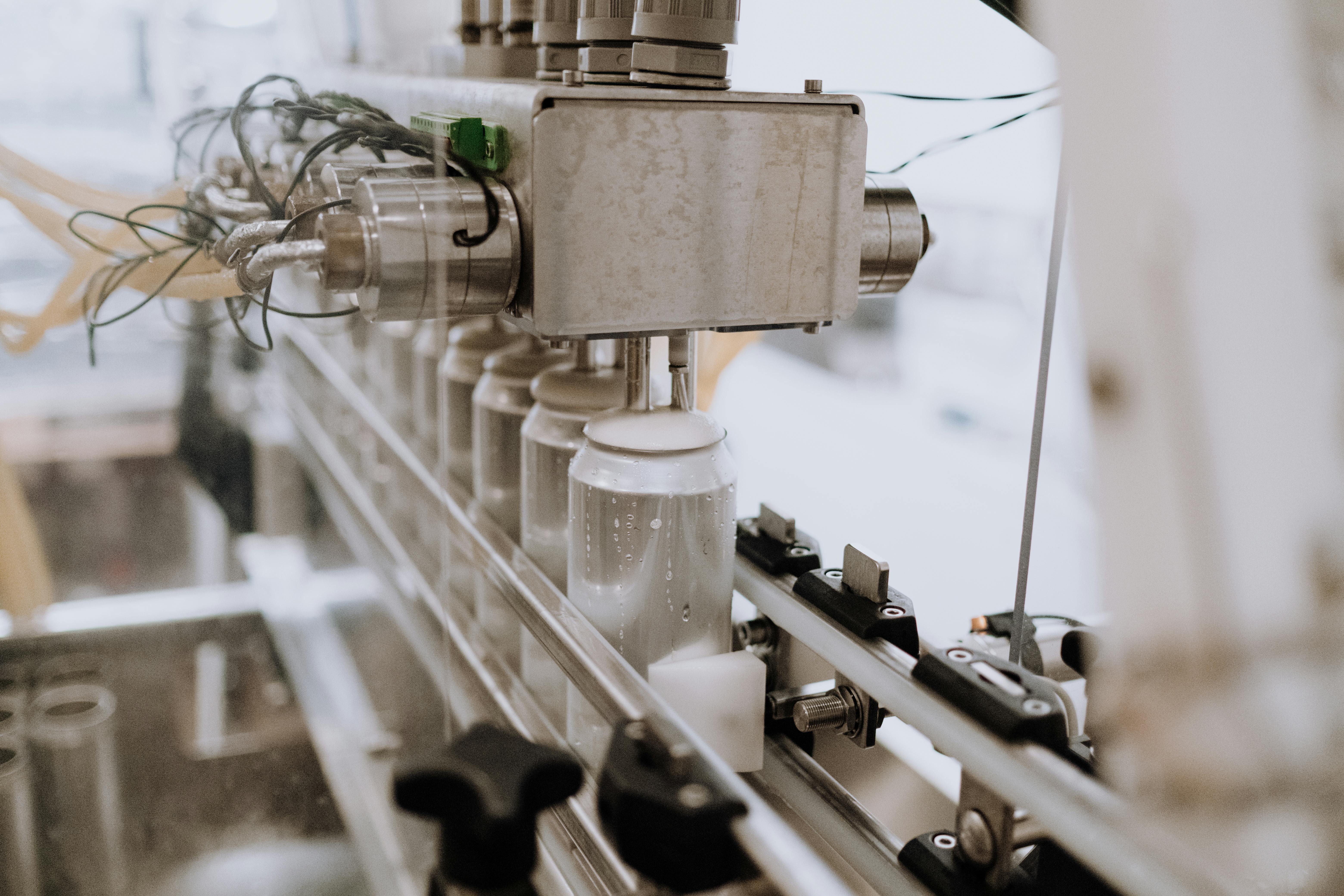
In products where every unit must be individually verified, the testing stage can take longer than the manufacturing stage. When it does, test capacity rather than production capacity sets output.
Testing time does not scale with production speed
Manufacturing operations often improve through faster machines and better handling, while a functional test must run for as long as the measurement requires.
A test that exercises a product across temperatures, voltages or load conditions takes the time those conditions take to apply, regardless of how fast the unit was made.
As production processes accelerate, the fixed test duration becomes a larger share of total cycle time and eventually the binding constraint.
Test equipment is specific and expensive
Testers are usually configured for a particular product family, with fixtures, interfaces and programs developed specifically for it.
That specificity means capacity cannot be borrowed from elsewhere in the plant, and adding it requires purchasing equipment with long lead times of its own.
Because the equipment is idle if the product line ends, firms are cautious about over-provisioning, which keeps test capacity tight by design.
Coverage is a deliberate trade-off
Testing everything exhaustively would take impractically long, so test programs are designed to detect the failure modes that actually occur at acceptable rates.
Reducing test time increases throughput but raises the chance that a defective unit reaches a customer, where the cost of failure is far higher.
Where a failure is dangerous or expensive to remedy in the field, the balance shifts firmly towards longer testing, and throughput suffers accordingly.
Burn-in adds calendar time
Some products are operated under stress for an extended period before shipment, to force early-life failures to occur in the factory rather than at the customer.
This consumes chamber capacity and calendar time rather than labour, and it means finished units sit in the plant for a defined period before they can be shipped.
Planning must account for that dwell, since it lengthens the effective lead time even when every other step is running smoothly.
Where the constraint shows up commercially
When test is the bottleneck, additional demand cannot be met by running assembly harder, and expedited orders displace others rather than adding output.
Firms respond by adding testers, redesigning products to be faster to test, or moving some verification into the design so fewer measurements are needed per unit.
The last of these is the most durable but requires decisions made early in development, which is why test strategy is treated as a design question rather than a factory one.
Questions readers ask
Does this mean bilateral trade deficits are meaningless?
They measure gross flows accurately. They are a poor proxy for where value was created, which is why value-added measures were developed alongside them.
Is assembly work worth attracting?
It brings employment and can be a route to upstream capability, which several economies have followed. Whether it stays an entry point or becomes an endpoint depends on what is built around it.