Manufacturing
Yield and Why a Line Throws Away Part of What It Makes
In processes where not every unit produced is usable, yield determines effective cost and capacity, which is why improving it matters more than running the line faster.
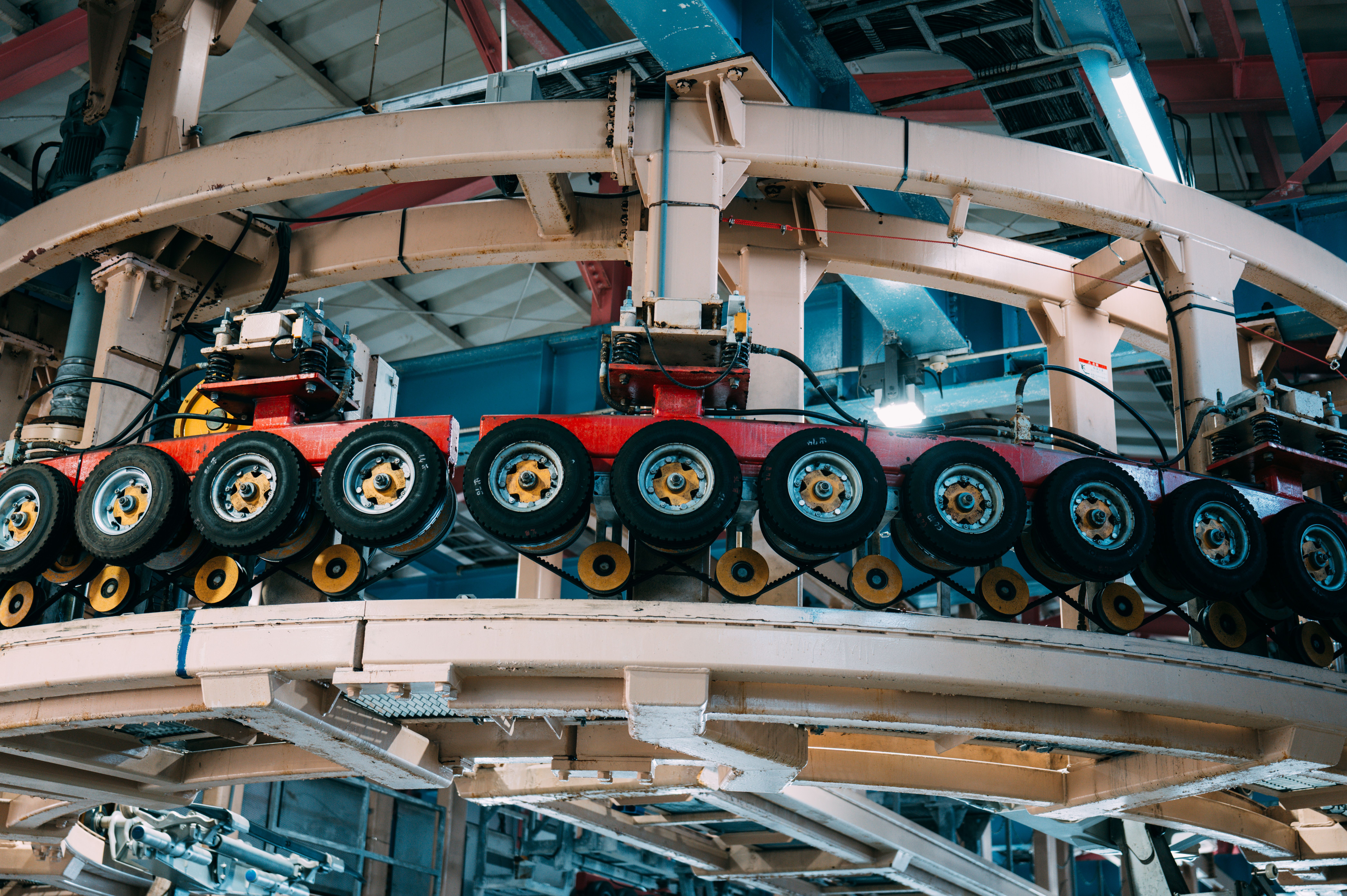
Some manufacturing processes produce a proportion of units that fail inspection and cannot be sold. The share that survives is the yield, and in those industries it governs almost everything.
Cost per good unit is the real number
A line consumes the same materials, energy and time whether a unit passes or fails, so the cost of the failures is carried entirely by the units that pass.
When yield is low, each saleable unit absorbs the cost of several that were scrapped, and the effective cost is a multiple of the apparent cost per unit produced.
This is why yield improvement can reduce unit cost faster than any equipment or labour saving, and why it dominates cost programmes in high-precision industries.
Capacity is measured in good output
A plant's usable capacity is not what it can start but what it can finish acceptably, so a yield change alters available supply without any equipment being added.
An improvement of a few percentage points can free capacity equivalent to a substantial investment, delivered in weeks rather than in the years a new line requires.
Conversely, an unexplained yield drop removes supply immediately, which is one reason shortages sometimes appear without any reported factory closure.
Where in the process the loss happens
Losing a unit at the first step costs only the material consumed so far. Losing it after every operation has been performed wastes the entire accumulated cost.
Process designers therefore push testing as early as feasible, so failures are identified before further value is added to a unit that will not be sold.
The limit is that many defects cannot be detected until later stages, which sets how much of this early screening is actually possible.
Yield learning follows a curve
New processes typically start at low yield and improve as engineers identify and eliminate the causes of failure, with the fastest gains coming early.
That improvement is largely knowledge rather than equipment, accumulated through analysing failed units and adjusting parameters, materials and handling.
Because the knowledge is specific to the process and the site, transferring production elsewhere often restarts part of the curve, which is a hidden cost of relocation.
Binning turns failures into products
In some industries, units that miss the top specification still meet a lower one, and are sold as a different grade rather than discarded.
This converts part of the yield loss into revenue and explains why product ranges sometimes include several performance levels made on the same line.
The mix between grades then depends on process performance rather than on demand, which complicates supply of any single grade in the range.
Questions readers ask
Does this mean bilateral trade deficits are meaningless?
They measure gross flows accurately. They are a poor proxy for where value was created, which is why value-added measures were developed alongside them.
Is assembly work worth attracting?
It brings employment and can be a route to upstream capability, which several economies have followed. Whether it stays an entry point or becomes an endpoint depends on what is built around it.